
Understanding Fortune Intelligence (Updated)
Fortune’s new Fortune Intelligence section, launched this month, is pitchable against all odds. Contract editor Nick Lichtenberg is officially the pitch contact there.

Fortune’s new Fortune Intelligence section, launched this month, is pitchable against all odds. Contract editor Nick Lichtenberg is officially the pitch contact there.
ServiceNow has launched a special report on Fortune to jumpstart strategic spending on AI, illustrating workarounds for implementation problems, and otherwise illuminating the path to
So you want your CEO profiled in Tier 1? Fortune this month served up a good reminder that the big publications have channels, and a “profile” may come across differently in each, with different PR outcomes.
You need to be logged in to view this content. Please Log In. Not a Member? Join Us
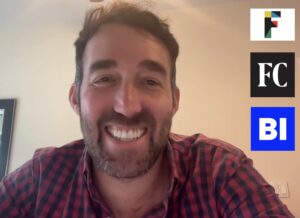
You may know John Kell as the author of Fortune’s weekly newsletter, CIO Intelligence. You’d be right, but John’s work also shows up in Fast Company and Business Insider. Few other freelancers have such impact.

You need to be logged in to view this content. Please Log In. Not a Member? Join Us

Fortune sure does churn through the journalists. In the ten months since we last studied its masthead, 19 editors have departed, while 16 arrived. That’s roughly a 25 percent turnover rate.

At 27, she is one of the important Tier 1 journalists in the business. Important certainly to SWMS readers, because no one writes more CEO profiles than Brooklyn resident Jane Thier.

It’s one thing to know that Fortune reporter Jane Thier writes CEO profiles, and quite another to know the ingredients. We analyzed the 12 CEO/founder profiles Jane produced so far this year — and asked Anthropic’s Claude 3 to do the same.

Fortune editorial fellow Dylan Sloan will turn 24 in May. If you happened to visit Freeport a year or two back, you might have run into a wavy-haired bouncer at Gritty McDuff’s Brew Pub.