
Pitching The Fortune Five
Everyone knows about the Fortune 500. Here’s the Fortune Five — the five reporters that tech PR might want to prioritize.

Everyone knows about the Fortune 500. Here’s the Fortune Five — the five reporters that tech PR might want to prioritize.

If you represent a company with an AI story to tell, consider pitching a piece to InfoWorld’s Generative AI Insights blog. Edited by IW executive editor Doug Dineley, Generative AI Insights “provides a venue for technology leaders to explore and discuss the challenges and opportunities presented by generative artificial intelligence.”

You may know James Rundle as the bass player in the NY-based punk rock band called Something Bitter. James is best known as a reporter for the WSJ Pro cybersecurity vertical.

More often than not, studying a reporter’s copy reveals much about the man or woman who wrote it. That’s just not the case with WSJ CIO Journal reporter Isabelle Bousquette.

TechTarget news writer Esther Ajao covers AI software and systems for SearchEnterpriseAI and occasionally for SearchCustomerExperience. Until she arrived at TechTarget in Sept. 2021, Esther had valuable internships in the TV business but no tech media experience whatever.

Born and raised in Canada, Suman Bhattacharyya logged time at Digiday and Ad Age before landing in late 2021 at the Wall Street Journal’s CIO Journal. Seven months later Suman became a freelancer, writing primarily for a handful of Industry Dive titles as well as the WSJ’s Journal Reports.

You need to be logged in to view this content. Please Log In. Not a Member? Join Us

You need to be logged in to view this content. Please Log In. Not a Member? Join Us

You need to be logged in to view this content. Please Log In. Not a Member? Join Us
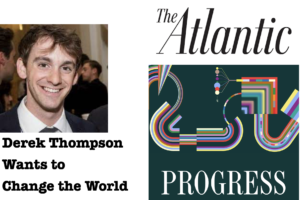
Derek Thompson quite literally works to save the world. A staff writer at The Atlantic, Derek oversees Progress, the 165-year-old publication’s most recent editorial franchise — and perhaps its most important ever.